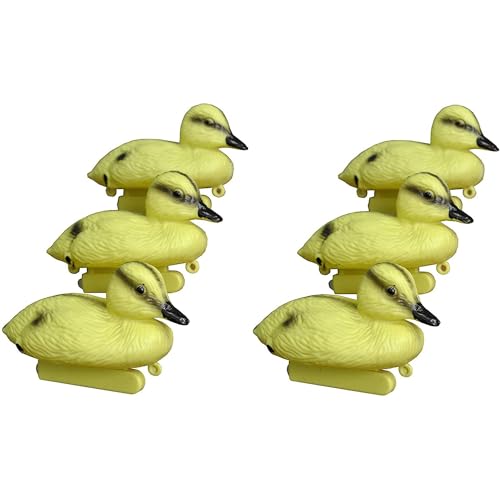
comprehensive care strategies for thriving pet pheasants
Pheasants make fascinating and colourful pets, bringing a touch of the wild into our homes. As unique birds, they require specific care strategies to thrive in a domestic environment. This guide provides essential information for potential and current pheasant owners to ensure their feathered friends live healthy and happy lives.
Understanding Pheasant Behaviour
Understanding the natural behaviour of pheasants is key to providing an environment that suits their needs. These birds are naturally social and tend to form flocks in the wild. Therefore, keeping at least two pheasants is advisable to prevent loneliness and stress. Observe their interactions closely; establishing a pecking order is common, and aggression can occur if they feel threatened or crowded.
Suitable Housing Conditions
Creating a safe and spacious environment for your pet pheasants is crucial. An outdoor aviary or enclosure is ideal, as it allows them to exhibit natural behaviours like foraging and flying. The enclosure should be at least six feet high, as pheasants are strong flyers. Ensure the space is secure from predators, with solid fencing and a roof to prevent escapes. Provide sheltered areas where they can hide and feel safe, as well as perches for resting.
People Also Look For:
- Chicken Food and Game Bird Food Conditioner 4kg - Complimentary Chicken Feed - Helps Condition Birds For Wellbeing Performance Plu...
- Reflective Dog Vest, High Visibility Adjustable Jacket, Dog Construction Safety Outfit, Outdoor Camping Hiking Running Hunting Gea...
- Copdock Mill Cut Maize Chicken Feed 20kg - Premium Quality Yellow Split Maize for Poultry - 100% Natural - Rich In Energy Compleme...
- CKB LTD Bird Nesting Box House Wooden Hanging Nest Box Home for Birds Rustic Natural Weatherproof Ideal For Any Size Garden Outdoo...
- Dewonme Bird Box Large Bird House for Garden with Detachable Perch Outside Hanging Bird Houses for Viewing
Nutrition and Diet
A balanced diet is vital for the health of your pheasants. Commercially available pheasant pellets are a great base diet, providing essential nutrients. Supplement their diet with fresh fruits and vegetables, such as berries, leafy greens, and carrots. It is important to avoid foods that can be harmful to them, like avocado and chocolate. Providing a mixture of grains, seeds, and insects can also be beneficial, ensuring a varied and nutritious diet.
Health Monitoring and Veterinary Care
Regular health checks are essential to ensure your pheasants are thriving. Look out for signs of illness, including lethargy, changes in appetite, or unusual droppings. Keeping their living area clean and dry will help prevent diseases. Schedule regular check-ups with a veterinarian who has experience with exotic birds. Vaccinations and parasite control are also important aspects of their health care.
Social Interaction and Enrichment
Pheasants require mental and physical stimulation to stay healthy. Interact with them daily, allowing them to adapt to your presence. Use treats to encourage trust and bonding. Providing toys, such as hanging mirrors and bells, can help keep them entertained. Create foraging opportunities by hiding food around their enclosure, encouraging natural behaviours and reducing boredom.
Seasonal Care Considerations
In the UK, weather changes can impact the care of your pheasants. During colder months, ensure they have adequate shelter and warmth. Insulate the enclosure if necessary and provide fresh water that does not freeze. In summer, monitor their access to shade and fresh water, as overheating can be a concern. Adjust their diet according to the season, as their nutritional needs may change.
Breeding and Nesting
If you are considering breeding your pheasants, research the breeding habits and nesting requirements. Setting up a nesting area with appropriate materials is crucial. Monitor the breeding pair's behaviour, ensuring they are comfortable and healthy. Be prepared for the responsibility of raising chicks, as they require specific care in their early weeks.
Legal Considerations
Before keeping pheasants, check local regulations regarding pet birds. Certain species may require special permits, and there are guidelines to follow to ensure ethical ownership. Always prioritise their well-being and adhere to best practices as responsible pet owners.